
How to Sell a Non-Running Motorcycle in Ballarat
Selling a non-running motorcycle in Ballarat starts with an honest description and a clear record of what you have. A bike does not need to be road-ready to be worth assessing, but the condition, identity and registration status change the options available to you.
Start by separating facts from guesses. State whether the engine turns over, whether it has keys, how long it has been parked and what stopped it running. That gives a buyer or wrecker enough information to decide whether an inspection or collection discussion is worthwhile.
Start by separating facts from guesses. State whether the engine turns over, whether it has keys, how long it has been parked and what stopped it running. That gives a buyer or wrecker enough information to decide whether an inspection or collection discussion is worthwhile.
Record the motorcycle before you ask for an assessment
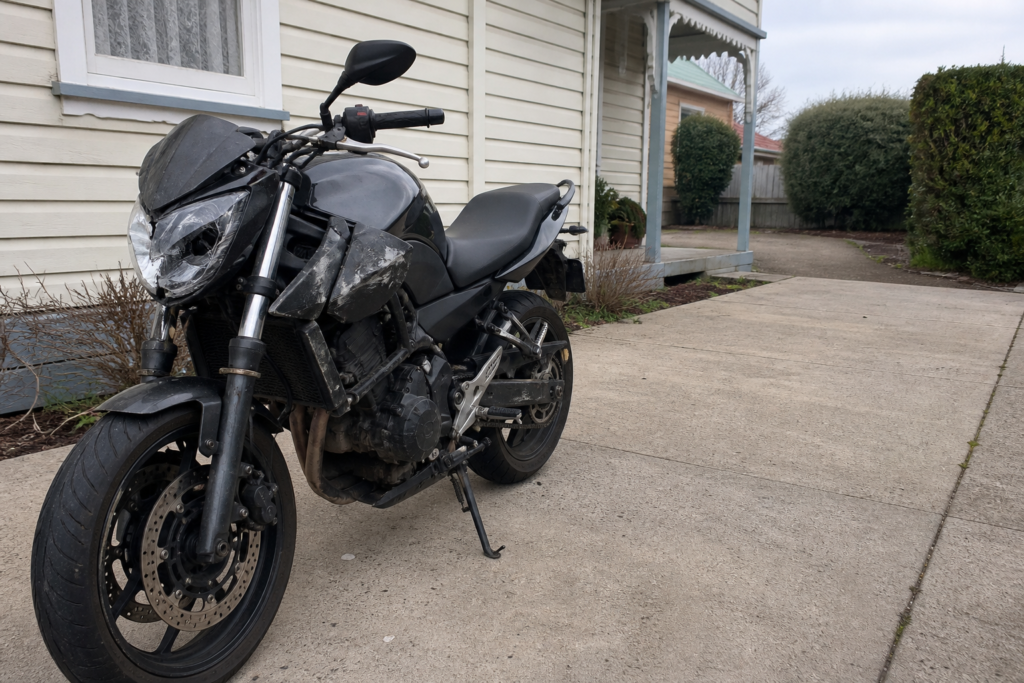
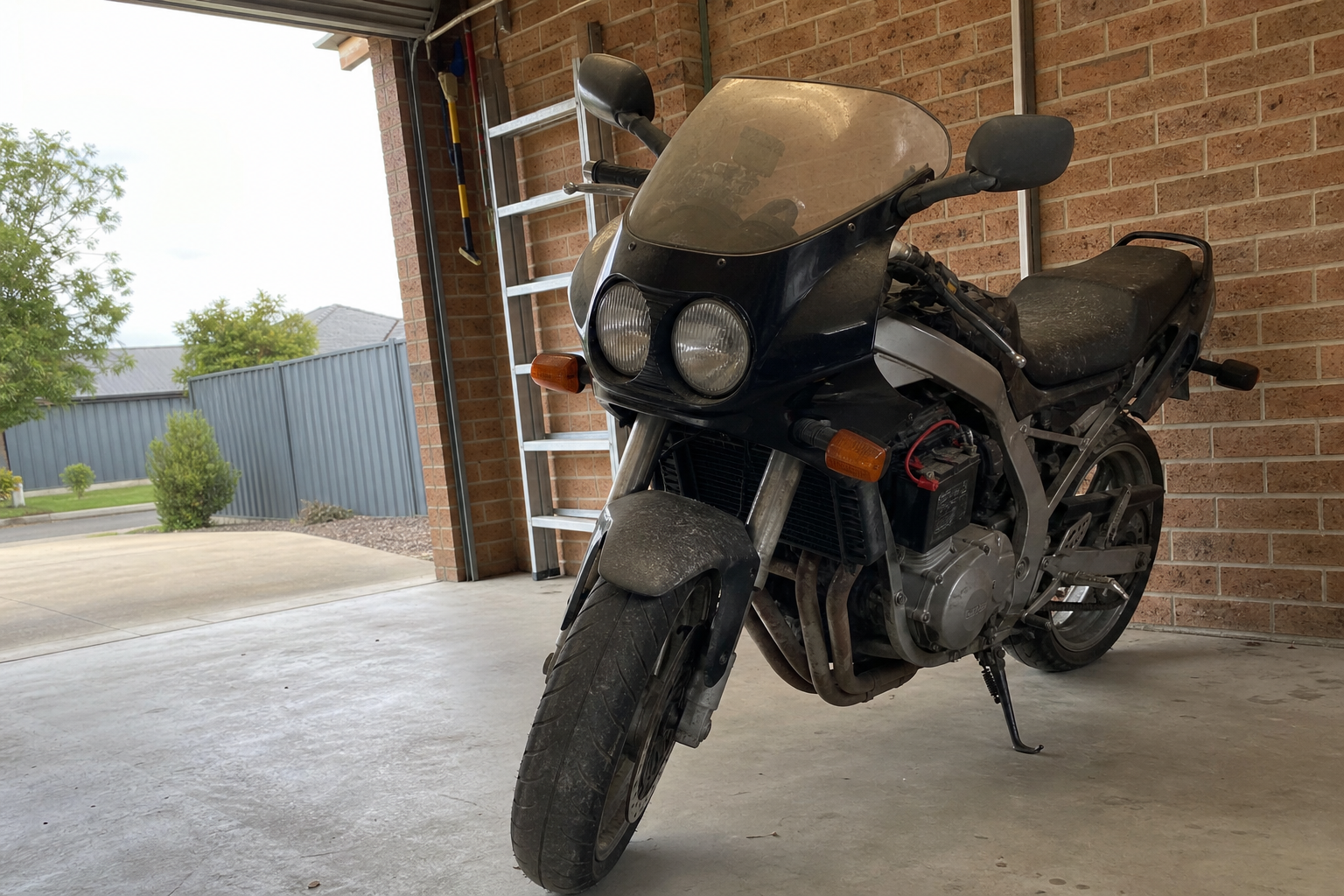
A non-running bike is easier to assess when the owner can describe the machine rather than relying on a single photo. Record the make, model, approximate year, registration number, VIN or chassis number, odometer reading, number of keys and any included parts. If the bike has sat for months or years, say whether it was stored inside, under cover or outdoors.
Take photographs in daylight from both sides, the front and rear, the engine area, instruments, tyres, chain or belt, and any damage. Photograph the VIN or chassis number only for the recipient you are dealing with, not in a public listing. A close photo of a fault is more useful than a vague description such as “needs work”.
Write down what happened before the motorcycle stopped running. A flat battery, stale fuel, a failed electrical component, a crash, overheating or a stripped engine each point to a different level of uncertainty. Do not describe a bike as roadworthy, repairable or complete unless you can support that statement. If you want a practical route for an unwanted bike, review the site’s motorcycle selling service in Ballarat before making an enquiry.
Take photographs in daylight from both sides, the front and rear, the engine area, instruments, tyres, chain or belt, and any damage. Photograph the VIN or chassis number only for the recipient you are dealing with, not in a public listing. A close photo of a fault is more useful than a vague description such as “needs work”.
Write down what happened before the motorcycle stopped running. A flat battery, stale fuel, a failed electrical component, a crash, overheating or a stripped engine each point to a different level of uncertainty. Do not describe a bike as roadworthy, repairable or complete unless you can support that statement. If you want a practical route for an unwanted bike, review the site’s motorcycle selling service in Ballarat before making an enquiry.
Explain the fault without trying to diagnose it
A buyer does not need a workshop diagnosis to make an initial decision, but they do need usable clues. Say whether the starter motor turns, whether the dash lights up, whether the engine is seized, whether the motorcycle was damaged in a fall, and whether any parts are missing. Mention visible oil leaks, broken cases, bent controls, flat tyres, rust, accident damage, stripped wiring or an absent fuel tank.
Keep the history short and factual. “Parked after the battery failed in 2023” gives more value than “easy fix”. “Dropped on the left side, fairing cracked, no attempt to start it since” avoids a misleading promise. The same rule applies to project bikes with incomplete repairs. A wrecker may be interested in components, but the condition of the frame, engine, wheels, electrics and paperwork matters.
If crash damage or a non-runner is the main issue, the damaged motorcycle buyers page explains the information worth gathering before you ask for a case-by-case assessment. It is better to disclose a problem early than have it discovered at collection.
Keep the history short and factual. “Parked after the battery failed in 2023” gives more value than “easy fix”. “Dropped on the left side, fairing cracked, no attempt to start it since” avoids a misleading promise. The same rule applies to project bikes with incomplete repairs. A wrecker may be interested in components, but the condition of the frame, engine, wheels, electrics and paperwork matters.
If crash damage or a non-runner is the main issue, the damaged motorcycle buyers page explains the information worth gathering before you ask for a case-by-case assessment. It is better to disclose a problem early than have it discovered at collection.
Check registration, ownership and written-off status
Registration and mechanical condition are separate matters. A non-running motorcycle may still be registered, unregistered, cancelled or recorded as written off. Confirm the status before arranging a sale or disposal path, and keep the documents you hold available for the discussion.
For a Victorian registered motorcycle that is being sold, VicRoads says the seller must notify it within 14 days and complete a notice of disposal with the buyer. Its current vehicle-selling guidance covers motorcycles as well as cars. Follow that official process instead of treating a collection arrangement as the whole transfer process.
For a motorcycle with serious impact damage, check the current written-off vehicle position before representing it as a rebuild candidate. Transport Victoria explains that motorcycles under 15 years old which have been assessed as write-offs can be recorded on the Written-Off Vehicles Register. A PPSR search can also return information tied to a VIN or chassis number, including security interest, stolen and written-off status where available. These checks do not replace professional advice, but they help you describe the motorcycle accurately.
For a Victorian registered motorcycle that is being sold, VicRoads says the seller must notify it within 14 days and complete a notice of disposal with the buyer. Its current vehicle-selling guidance covers motorcycles as well as cars. Follow that official process instead of treating a collection arrangement as the whole transfer process.
For a motorcycle with serious impact damage, check the current written-off vehicle position before representing it as a rebuild candidate. Transport Victoria explains that motorcycles under 15 years old which have been assessed as write-offs can be recorded on the Written-Off Vehicles Register. A PPSR search can also return information tied to a VIN or chassis number, including security interest, stolen and written-off status where available. These checks do not replace professional advice, but they help you describe the motorcycle accurately.
Decide whether sale, parts assessment or disposal fits the bike
A bike that does not start is not automatically a dismantling case. A complete motorcycle with a clear identity, ordinary wear and a known fault may suit a private repair project or a direct sale. A motorcycle with major collision damage, a seized engine, missing components or a long period outdoors may be more realistically assessed for usable parts and responsible dismantling.
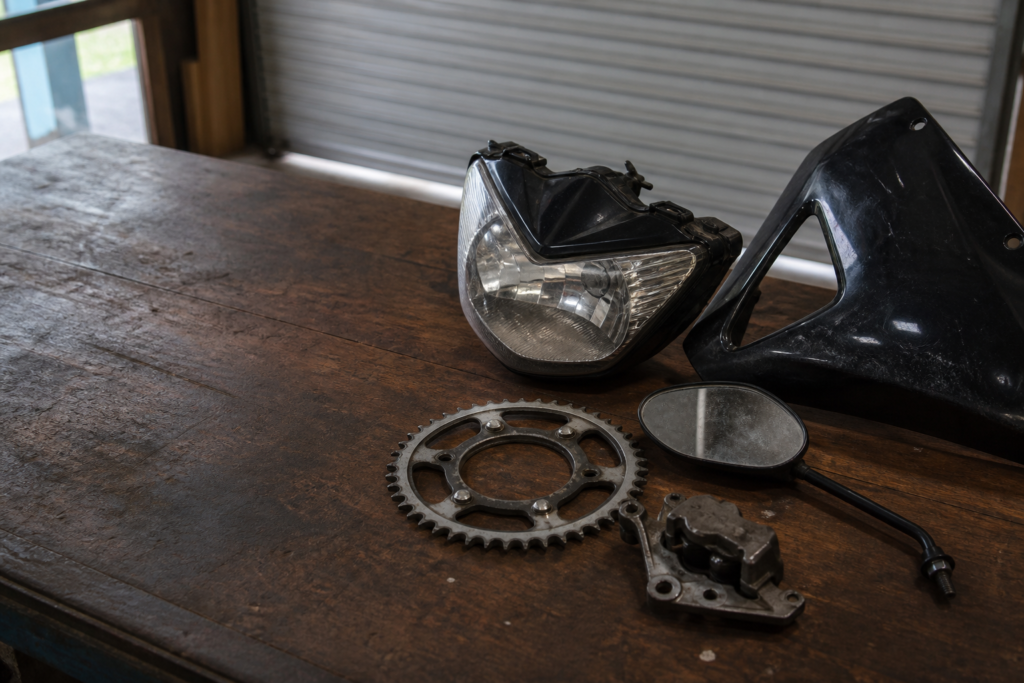
Do not remove valuable components before asking for an assessment unless you intend to keep the bike. Missing keys, ECU, instrument cluster, wheels, exhaust, fairings, fuel tank or engine parts change what another party can evaluate. Put loose original parts in one place and photograph them with the motorcycle.
For a wider view of the available paths, see Motorcycle Wreckers Ballarat services. The service pages distinguish selling an unwanted motorcycle, arranging removal, seeking parts and discussing recycling. That is a better starting point than assuming every non-running bike has the same destination.
Do not remove valuable components before asking for an assessment unless you intend to keep the bike. Missing keys, ECU, instrument cluster, wheels, exhaust, fairings, fuel tank or engine parts change what another party can evaluate. Put loose original parts in one place and photograph them with the motorcycle.
For a wider view of the available paths, see Motorcycle Wreckers Ballarat services. The service pages distinguish selling an unwanted motorcycle, arranging removal, seeking parts and discussing recycling. That is a better starting point than assuming every non-running bike has the same destination.
Make collection straightforward and safe
Before collection, tell the other party where the motorcycle sits and what access looks like. A bike in a locked shed, down a narrow side path, below street level or behind another vehicle needs a different plan from one parked on a level driveway. Mention stairs, gates, soft ground, locked wheels and whether the handlebars turn.
Remove personal property, garage remotes and documents you do not need to transfer. Keep the keys and relevant ownership or registration material ready until you know what the agreed arrangement requires. If fuel is leaking, a tyre is flat or the motorcycle is unstable, say so before anyone arrives. Do not try to move a heavy bike alone just to make it look easier to collect.
For access and condition details that help a collection discussion, visit motorcycle removal in Ballarat. The more accurately you describe the site and the motorcycle, the less likely the appointment needs to change on arrival.
Remove personal property, garage remotes and documents you do not need to transfer. Keep the keys and relevant ownership or registration material ready until you know what the agreed arrangement requires. If fuel is leaking, a tyre is flat or the motorcycle is unstable, say so before anyone arrives. Do not try to move a heavy bike alone just to make it look easier to collect.
For access and condition details that help a collection discussion, visit motorcycle removal in Ballarat. The more accurately you describe the site and the motorcycle, the less likely the appointment needs to change on arrival.
What affects a non-running motorcycle assessment
The useful question is not whether a non-running bike has a fixed price. It is whether the supplied details make the motorcycle assessable. Make, model, age, completeness, demand for parts, accident damage, engine condition, VIN or chassis information, registration status and access all matter. A clean Honda, Yamaha, Suzuki, Kawasaki, KTM, Ducati, BMW or Aprilia with a simple electrical fault is a different proposition from an incomplete machine with a damaged frame and no identifying information.
Photos help, but they are not a mechanical inspection. They should show the bike as it sits. Avoid filters, old photos or images of a similar model. If you are unsure about a detail, say that you are unsure. That gives the other party room to request the right extra information instead of working from a false assumption.
Motorcycle Wreckers Ballarat focuses on enquiries from owners who can describe the bike plainly. Start at the home page to compare the service paths, then use the option that matches your bike’s condition. A careful enquiry does not guarantee an offer, but it helps determine whether a discussion is worthwhile.
Photos help, but they are not a mechanical inspection. They should show the bike as it sits. Avoid filters, old photos or images of a similar model. If you are unsure about a detail, say that you are unsure. That gives the other party room to request the right extra information instead of working from a false assumption.
Motorcycle Wreckers Ballarat focuses on enquiries from owners who can describe the bike plainly. Start at the home page to compare the service paths, then use the option that matches your bike’s condition. A careful enquiry does not guarantee an offer, but it helps determine whether a discussion is worthwhile.
Frequently asked questions
Can I sell a non-running motorcycle in Ballarat?
Yes, an owner can ask for an assessment, but provide the make, model, identity details, fault history, photos and registration status. A non-running condition alone does not determine what path is suitable.
Should I repair the motorcycle before enquiring?
Do not assume a repair will add value. First record the fault and condition. An accurate as-is description lets you compare the cost and risk of repair with other options.
What documents should I keep?
Keep the keys, registration or ownership material you hold, service records and any completed transfer or disposal record. Follow current VicRoads requirements for any registered Victorian motorcycle.
Can a damaged motorcycle be sold for parts?
It depends on the bike’s identity, damage, completeness and applicable registration or written-off status. State the damage plainly and check official Victorian requirements where they apply.
Yes, an owner can ask for an assessment, but provide the make, model, identity details, fault history, photos and registration status. A non-running condition alone does not determine what path is suitable.
Should I repair the motorcycle before enquiring?
Do not assume a repair will add value. First record the fault and condition. An accurate as-is description lets you compare the cost and risk of repair with other options.
What documents should I keep?
Keep the keys, registration or ownership material you hold, service records and any completed transfer or disposal record. Follow current VicRoads requirements for any registered Victorian motorcycle.
Can a damaged motorcycle be sold for parts?
It depends on the bike’s identity, damage, completeness and applicable registration or written-off status. State the damage plainly and check official Victorian requirements where they apply.