
Motorcycle Dismantling and Recycling
A motorcycle at the end of its life as a complete machine may still contain components and materials that need a considered next step. Dismantling is not simply breaking a bike apart. It involves identifying possible components, managing fluids and tyres responsibly, and following the right registration process where applicable.
The appropriate outcome depends on the particular motorcycle. A complete bike with a single fault may be more relevant for assessment as a whole; a severely damaged or incomplete bike may instead be suited to components or material recovery.
The appropriate outcome depends on the particular motorcycle. A complete bike with a single fault may be more relevant for assessment as a whole; a severely damaged or incomplete bike may instead be suited to components or material recovery.
Assess the motorcycle before treating it as waste
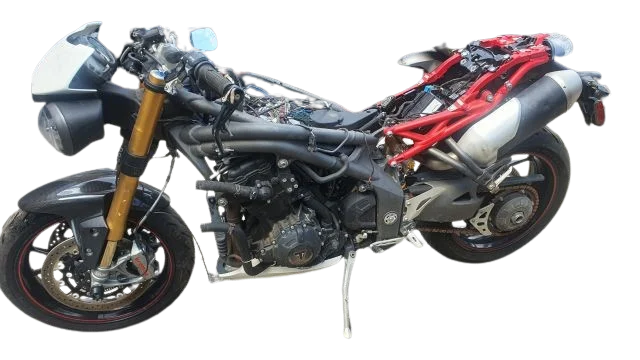
Start with the make, model, approximate year, condition, photos and registration status. Note whether major components are present: engine, wheels, forks, tank, controls, panels and wiring. This information can help establish whether the bike may be relevant to a whole-bike enquiry or used parts assessment.
For Ballarat owners, begin with sell my motorcycle in Ballarat for an unwanted complete bike. If it has accident damage, a seized engine or missing major parts, see damaged motorcycle buyers.
For Ballarat owners, begin with sell my motorcycle in Ballarat for an unwanted complete bike. If it has accident damage, a seized engine or missing major parts, see damaged motorcycle buyers.
Reusable parts require individual checks
Some dismantled components may be potentially useful, but they should not be treated as automatically suitable for another motorcycle. Model compatibility, condition, wear and safety requirements all matter. Used motorcycle parts in Ballarat explains the value of part numbers, exact model details, mounts and connector checks.
Safety-critical systems need special caution. Brakes, steering, suspension, wheels and structural components should be assessed by a suitably qualified person when suitability is uncertain. A component that fits physically may still be unsuitable for safe use.
Safety-critical systems need special caution. Brakes, steering, suspension, wheels and structural components should be assessed by a suitably qualified person when suitability is uncertain. A component that fits physically may still be unsuitable for safe use.
Fluids, batteries and tyres need responsible handling
End-of-life motorcycles can contain fuel, oil, coolant, brake fluid and batteries. Avoid allowing any of these to enter soil, stormwater or household drains. Do not burn motorcycle materials or attempt to dispose of them through unsuitable household methods.
EPA Victoria states that waste tyres are combustible and that it is an offence to burn or dump them. Read EPA Victoria’s waste tyre guidance. If you are unsure how to handle a particular waste material, seek appropriate local or professional guidance rather than guessing.
Why tyres deserve particular care
Tyres can appear inert when removed from a motorcycle, but EPA Victoria notes their fire risk and specific waste obligations. Keep them out of waterways, drains and informal dumping areas. The same common-sense approach applies to all parts that may contain fluids or hazardous substances.
EPA Victoria states that waste tyres are combustible and that it is an offence to burn or dump them. Read EPA Victoria’s waste tyre guidance. If you are unsure how to handle a particular waste material, seek appropriate local or professional guidance rather than guessing.
Why tyres deserve particular care
Tyres can appear inert when removed from a motorcycle, but EPA Victoria notes their fire risk and specific waste obligations. Keep them out of waterways, drains and informal dumping areas. The same common-sense approach applies to all parts that may contain fluids or hazardous substances.
Registration comes before disposal decisions
For a registered Victorian motorcycle that will be disposed of rather than transferred to another owner, VicRoads advises removing number plates and cancelling the registration before disposal. See the official disposal process.
If the bike is being sold as a registered vehicle, use the relevant VicRoads sale and notice-of-disposal process. VicRoads’ seller guidance is the authoritative starting point for current requirements. Keep records after the transaction.
If the bike is being sold as a registered vehicle, use the relevant VicRoads sale and notice-of-disposal process. VicRoads’ seller guidance is the authoritative starting point for current requirements. Keep records after the transaction.
Consider transport and access early
The motorcycle may be damaged, immobile or in an awkward location. Before making a removal enquiry, photograph it and the access route. State whether it rolls, whether wheels are fitted, and whether gates, stairs or narrow paths affect access. See motorcycle removal in Ballarat for the details that make an enquiry more useful.
No timing, cost or collection outcome should be assumed until the motorcycle and location have been considered.
No timing, cost or collection outcome should be assumed until the motorcycle and location have been considered.
Keep dismantling decisions separate from recycling claims
Not every component from a dismantled bike has a safe or useful future purpose. A part needs appropriate condition and fitment for a specific application. Components with wear, corrosion, accident damage or uncertain history may not be suitable for reuse. This is particularly important for brakes, steering, suspension, wheels and structural parts, where a qualified assessment may be necessary.
The same caution applies to statements about recycling. Materials may be recoverable, but an individual motorcycle’s pathway depends on its condition, location and the service arrangement. The practical objective is responsible handling, not an unsupported promise that every item will be reused.
The same caution applies to statements about recycling. Materials may be recoverable, but an individual motorcycle’s pathway depends on its condition, location and the service arrangement. The practical objective is responsible handling, not an unsupported promise that every item will be reused.
Document the motorcycle before major changes
Take clear photos of the whole bike and note its identity before parts are removed or it is moved. This helps establish what was present and provides more useful information if you later enquire about the motorcycle, components or removal. Record known damage rather than trying to conceal it. If there are keys, plates or records, decide what needs to be retained under the relevant VicRoads process.
Choose the next conversation by condition
A complete unwanted motorcycle can be submitted through sell my motorcycle in Ballarat. A damaged one can be described through damaged motorcycle buyers. If movement is the primary challenge, use motorcycle removal. These pages help route an enquiry; they do not make a guarantee about the resulting arrangement.
Frequently asked questions
Can every motorcycle be dismantled for usable parts?
No. Suitability depends on the part’s condition, compatibility and intended use.
What should I do with waste tyres?
Do not burn or dump them. EPA Victoria’s guidance explains the environmental and legal concerns.
Do I need to cancel registration before recycling?
For disposal of a registered motorcycle, follow the current VicRoads process for plate removal and registration cancellation.
Can an immobile motorcycle still be assessed?
Yes. Provide photos, condition details and access information through motorcycle removal or the relevant service page.
No. Suitability depends on the part’s condition, compatibility and intended use.
What should I do with waste tyres?
Do not burn or dump them. EPA Victoria’s guidance explains the environmental and legal concerns.
Do I need to cancel registration before recycling?
For disposal of a registered motorcycle, follow the current VicRoads process for plate removal and registration cancellation.
Can an immobile motorcycle still be assessed?
Yes. Provide photos, condition details and access information through motorcycle removal or the relevant service page.